France’s got talent, once it has papers
Through Une vie en France, a series of portraits broadcast by France Télévisions on 14 July, an old French obsession plays out again: deciding which talents deserve to be recognised, welcomed or celebrated. Looking back at Exemplaires, a film I made five years earlier, I realise that my two works tell the same story, from either side of the counter.
Translated automatically from French. Read the original.
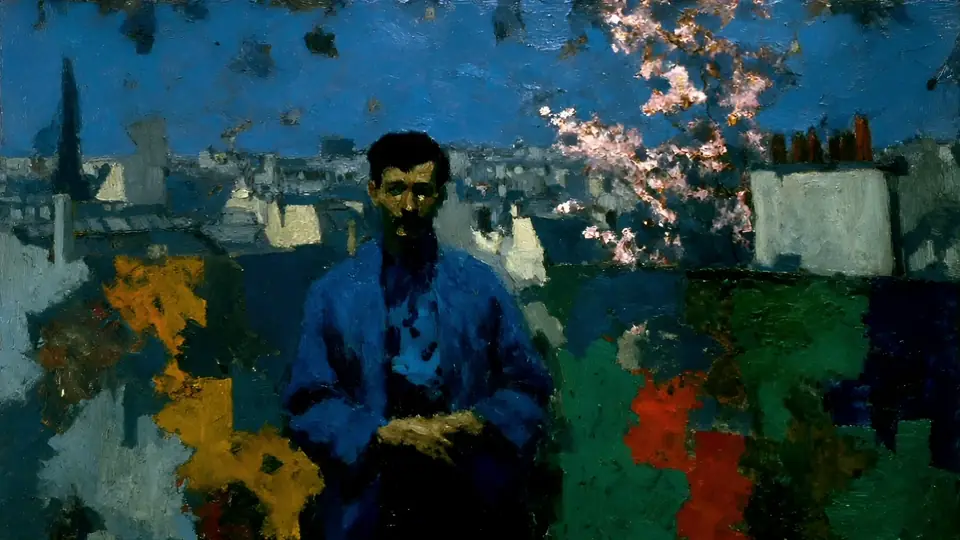
This 14 July, France Télévisions is broadcasting Une vie en France, twenty-five animated portraits of people born elsewhere “who make France”. From Marie Curie to Kenzo, from Émile Zola to Aya Nakamura, the category sometimes blurs when some of them grew up in France from early childhood. I directed three of these portraits.
These stories are about people who crossed borders, at a moment when images crossed a border of their own, into an economy that often prefers their price to their quality. The episodes were made with generative AI tools, in an oil-painting aesthetic, with all the history, heritage and legitimacy that medium carries. Working on the series, I realised I had been telling the same story for several years.
“Should I know you?”
In 2021, I made a short fiction film about people holding the “Skills and Talents” residence permit. On screen, a Russian actress explains to a prefecture officer that she has worked in several countries, trying to understand which box her path can still fit into. The officer interrupts her: “Perhaps you have an international reputation, then? Should I know you?” Bureaucracy sometimes has this rare politeness: it announces disaster in the form of a question.
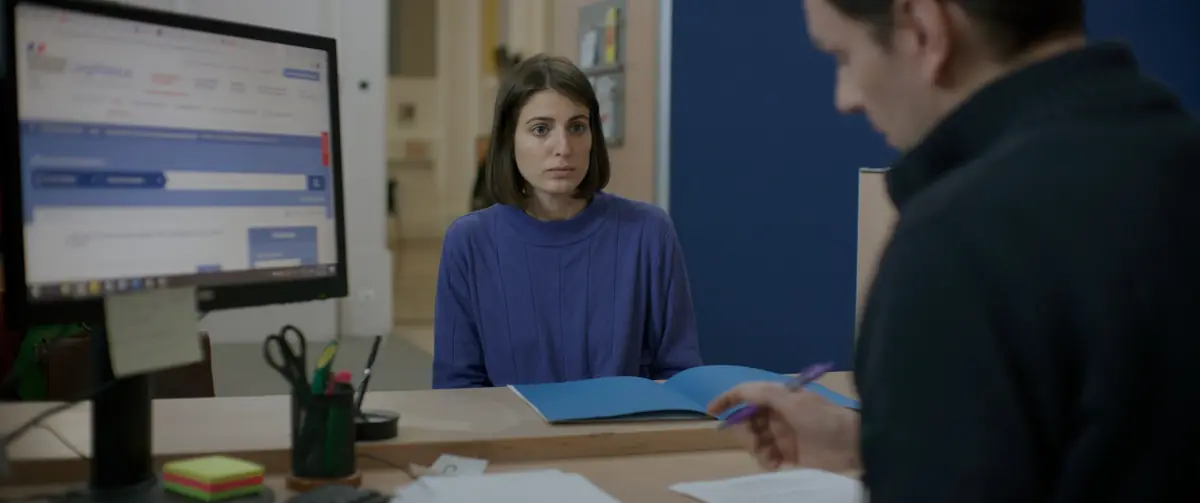
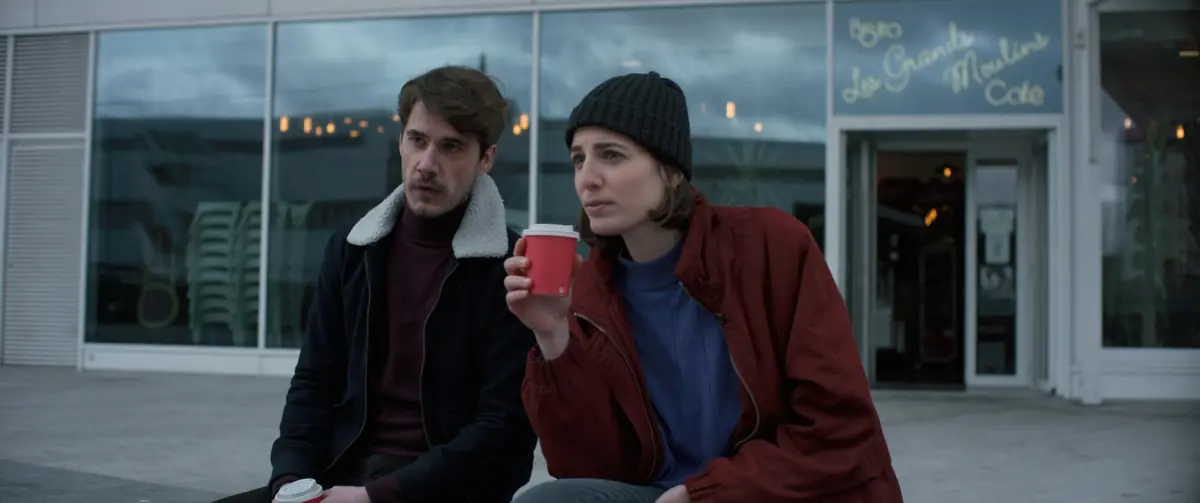
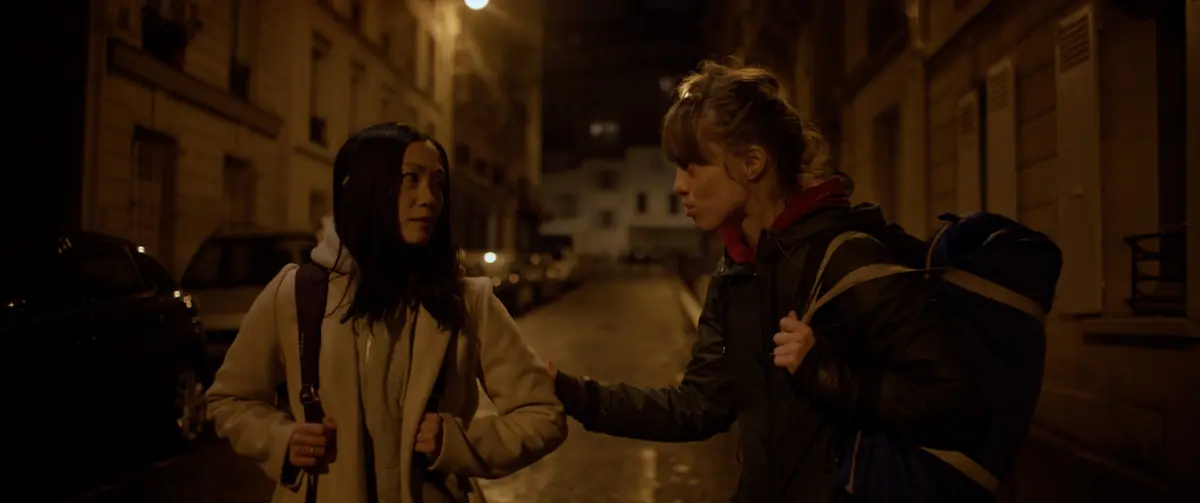
The film is called Exemplaires. Its English title is Exceptional Talent. At the time I thought I had made a film about immigration, about waiting, about women calmly restating their own worth to people who mostly check whether the box exists. I now understand that Exemplaires and Une vie en France tell the same story, from the two ends of the narrative.
A geopolitics of the divine gift
That story is the story of talent. Before it became a reality TV show, it was a unit of weight, then a sum of money, then, in the parable in Matthew, something you must on no account bury. Researchers who have studied it more recently, such as Catherine Robb of Tilburg University, shift the question: talent is not the skill itself but the disposition to develop it, provided the world leaves a minimum of room for that disposition. Prefectures, for their part, have always preferred conditions to dispositions. They simply call them “criteria”.
In 2006, Sarkozy’s bill on so-called chosen immigration created the Skills and Talents card, reserved for people likely to contribute “significantly and durably” to the economic development or international standing of France. Apparently God had been handing out talent somewhat whimsically. The Ministry of the Interior would now certify it more methodically.
The doctrine is crystal clear. As Nicolas Sarkozy explained shortly after the law was passed, the card could be issued “to Indian computer scientists, but not to Beninese doctors, because their country needs them”. Talent then becomes a resource whose import France assesses not only by what it stands to gain, but by what the country of origin can afford to lose. A geopolitics of the divine gift, with a receipt.
In 2016, the card disappeared in favour of the Talent Passport residence permit. The word skills fades out; talent remains, lonelier, brighter, more presentable. Introduced under Hollande, it already carried something we have now known through ten years of Emmanuel Macron’s presidency: talent becomes an institutional economic virtue, measured in income thresholds. The question is no longer what a person might become, but what they can prove at the moment the form demands it.
The models always come after
Ten years had passed when I was asked to direct three episodes of Une vie en France. Twenty-five names whose talent nobody disputes today. Posterity is often less fussy than the prefecture. I wondered what it meant to tell a nation’s social heritage with language models that learn precisely from the traces that heritage leaves behind. The images change; the vocabulary seems excellently stable.
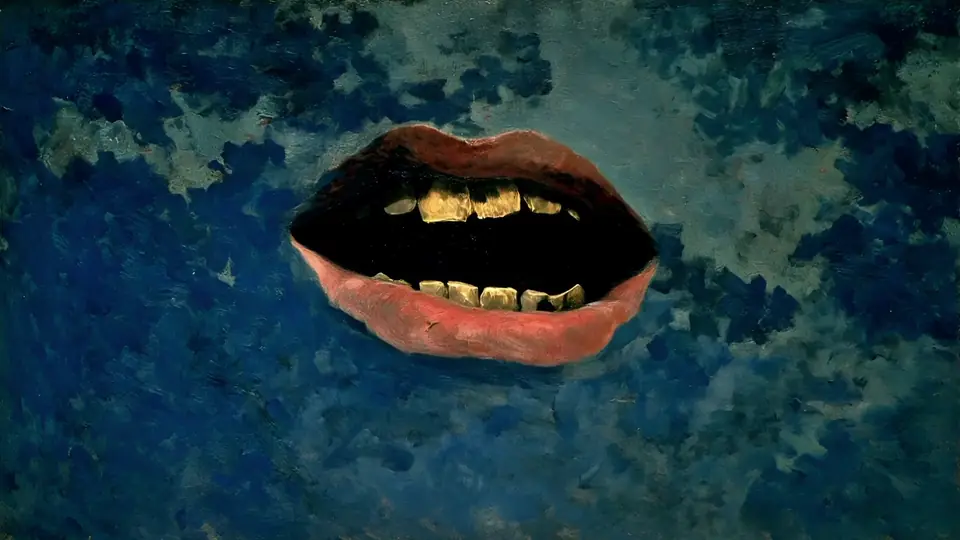
AI models always come after. They learn from archives whose borders we barely know, but whose categories they absorb. Talent, potential, excellence, employability, influence: this language already existed. They merely learned it with remarkable diligence (or with remarkable talent?), which should perhaps worry us more than their nature.
That, on the other hand, may be the nature of incredible talent: a word whose meaning nobody agrees on, turned into a prefecture category, then an economic promise, then a training variable for AI models, before being celebrated on 14 July as a national story.
So the question is not whether France recognises talent, but at what point it becomes recognisable to France. Sometimes that takes three years, renewable. Sometimes a century. It depends on the counter.